
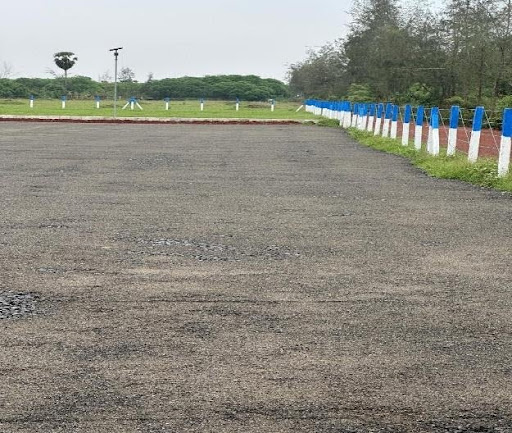
Land Development
Land development is the process of converting raw land into usable property for residential, commercial, or industrial purposes by altering its landscape through planning, engineering, and construction, including adding infrastructure like roads, utilities, and buildings, all while adhering to local regulations and aiming to meet community needs. It's a complex process involving site analysis, design, permitting, and construction, transforming undeveloped land into productive spaces.
- Site Analysis: Assessing the land's characteristics (soil, topography) and regulatory requirements (zoning, land use) to determine feasibility.
- Planning & Design: Creating layouts for streets, utilities, and facilities, considering environmental factors and community needs.
- Infrastructure: Installing essential services like roads, water, sewer, and stormwater management systems.
- Construction Executing the physical changes, including grading, excavation, and building structures, with quality control.
- Types: Includes residential (homes, apartments), commercial (offices, malls), industrial (factories, warehouses), and recreational spaces.
- Purpose: To create new living, working, or shopping areas, increase property value, and improve community amenities, balancing growth with environmental care.
- Subdivision: Dividing large parcels into smaller lots for building.
- Earth moving: Using heavy equipment for grading and shaping the land.
- Utility Installation: Laying pipes and cables for essential services.
- Landscaping: Designing green spaces for aesthetics and function.